
Rolling over is one of the first major movement milestones in your baby’s first year. It marks the beginning of independent mobility and often comes sooner than parents expect. Before that first roll happens, babies spend weeks building strength, coordination and confidence.
Understanding the early signs can help you support your baby safely and recognise that progress is happening even if the milestone itself has not arrived yet.
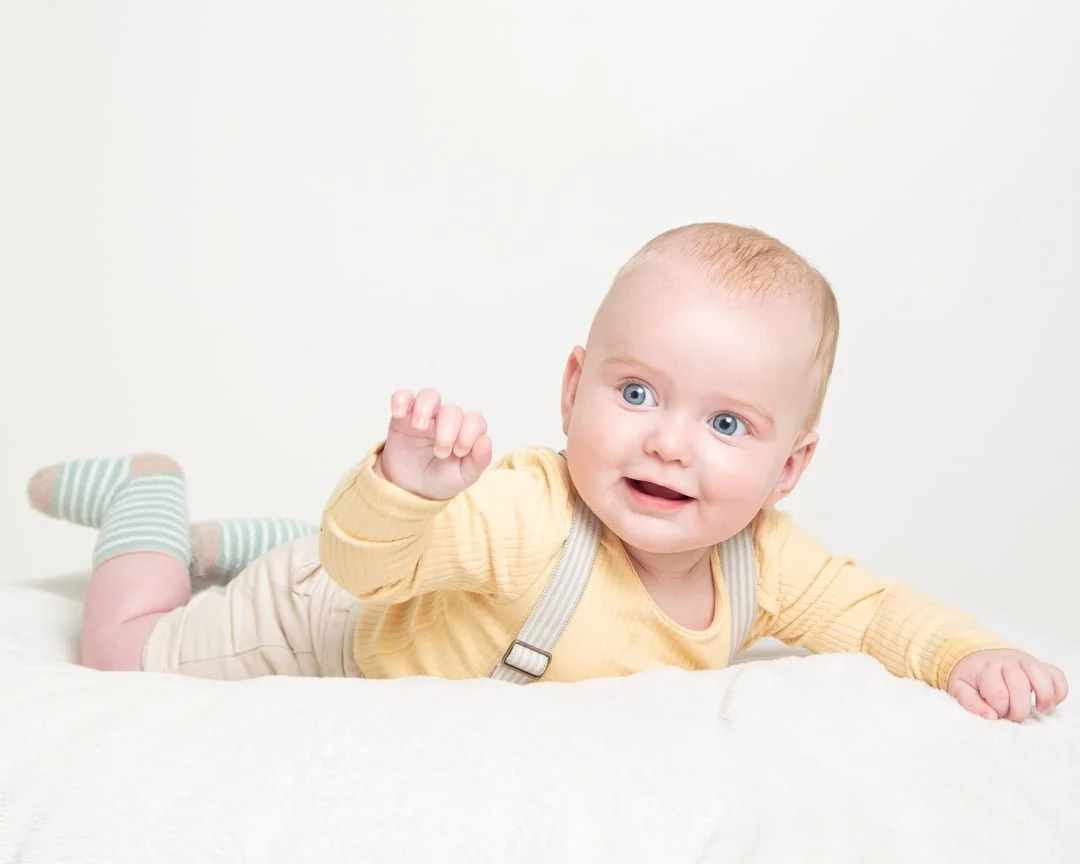
Strong Neck and Head Control
One of the clearest indicators that rolling is approaching is improved head control. Babies need strong neck muscles to lift, turn and stabilise their head during movement.
During tummy time, you may notice your baby holding their head up for longer periods, looking around or turning toward sounds and faces. This strength forms the foundation for rolling.

Pushing Up on Arms
As your baby grows stronger, they will begin pushing up on their forearms and eventually their hands. This action strengthens the shoulders, chest and upper body, which are essential for lifting and rotating during a roll.
Some babies also start straightening their arms fully, creating a mini push-up position. This is a great sign that their upper body strength is developing well.
Rocking and Side Movements
Before completing a full roll, many babies experiment with shifting their weight. You might see them roll slightly onto one side, rock back and forth or twist their torso.
These movements are early attempts at coordinating the complex action required to roll all the way over. It may look small, but it represents significant progress.
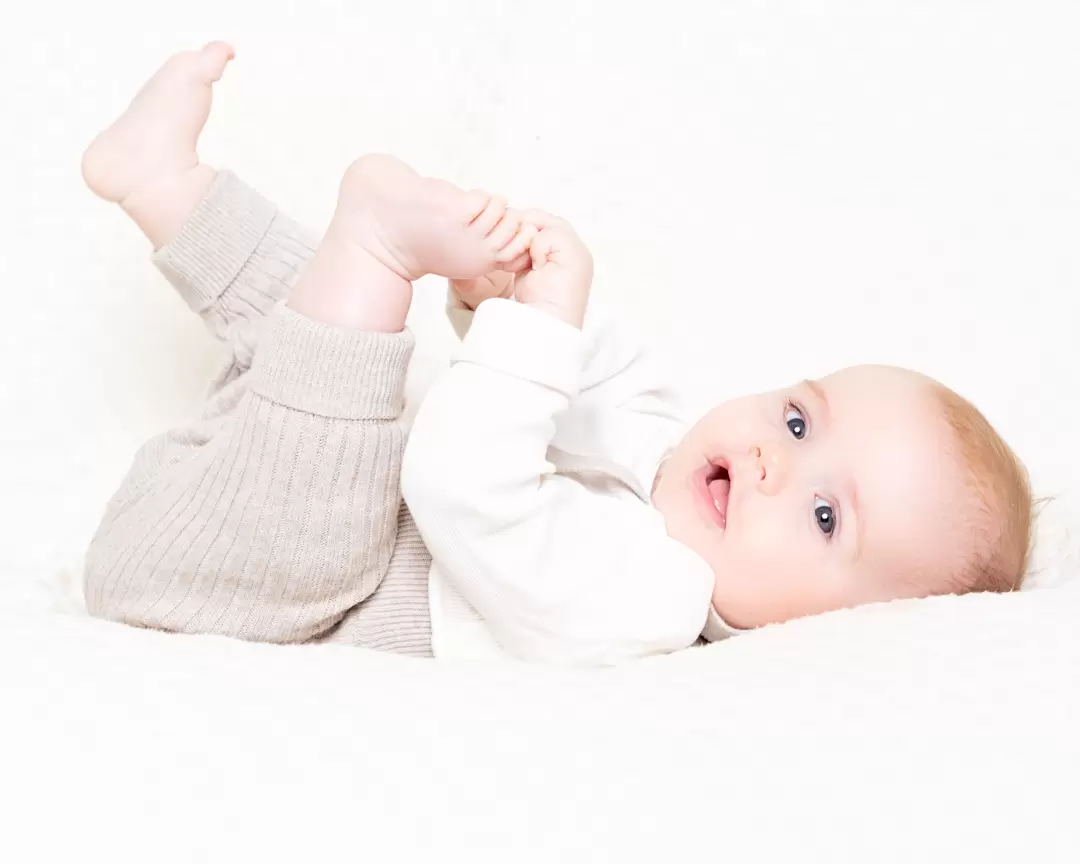
Strong Kicking and Twisting
Lower body movement plays an important role too. Babies often kick vigorously, lift their legs or twist their hips while on their back. These actions help build the core strength needed to initiate a roll.
Sometimes a strong kick combined with a twist can even trigger an accidental first roll.
Frustration During Tummy Time
If your baby suddenly becomes fussier during tummy time, it does not necessarily mean they dislike it. They may be trying to move but not yet able to achieve what they want.
This frustration can be a sign that they are close to developing a new skill. Offering encouragement, short sessions and plenty of floor time can help them practise safely.
How to Support Rolling Safely
The best way to help your baby learn to roll is through supervised floor play. Tummy time, time on a firm surface and freedom to move all contribute to developing strength and coordination.
Avoid placing your baby in devices that restrict movement for long periods, as these can limit opportunities to practise. Most babies roll from tummy to back first, followed later by back to tummy. Once rolling begins, it is important to ensure safe sleep practices and a clear sleep space.
Every Baby Develops at Their Own Pace
Some babies roll as early as three months, while others take a little longer. Variation is completely normal. Progress is measured not just by the milestone itself but by the small skills building up beforehand.
Watching your baby discover movement is one of the most rewarding parts of early parenthood. Those tiny wiggles and determined efforts are all steps toward independence.