
Long before babies say their first word, they are already communicating constantly. From cries and facial expressions to sounds and gestures, babies use many ways to express their needs, feelings and curiosity about the world.
Understanding these early signals can help parents feel more confident and connected during the first year.

Crying Is the First Language
For newborns, crying is the primary way to communicate. Different cries may signal hunger, discomfort, tiredness or the need for closeness.
While it can feel overwhelming at times, crying is a normal and important survival mechanism. It ensures caregivers respond to the baby’s needs.
Over time, many parents begin to recognise patterns in their baby’s cries.

Eye Contact Builds Social Connection
Babies are naturally drawn to faces. They study expressions, movements and reactions to learn how communication works.
Eye contact helps babies understand emotions and encourages bonding. When you smile and your baby responds, you are engaging in a simple but powerful conversation.
This back-and-forth interaction is the foundation of social development.
Sounds Come Before Words
Around a few months old, babies begin cooing, gurgling and making vowel-like sounds. Later, babbling appears, often repeating syllables such as “ba,” “da” or “ma.”
These sounds are practice for speech. Babies are experimenting with how their mouth, tongue and voice work together.
Responding to these sounds encourages further attempts at communication.
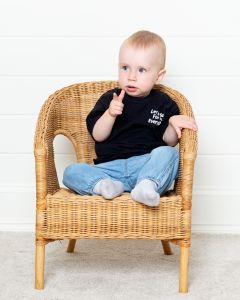
Gestures Add Meaning
As physical control improves, babies begin using gestures to communicate.
They may reach for objects, raise their arms to be picked up, wave, clap or point. Pointing in particular shows that babies are learning to share attention and direct your focus.
These non-verbal signals are important stepping stones toward spoken language.
Words Grow From Interaction
Language develops through everyday interaction rather than formal teaching. Talking to your baby during daily routines, reading books, singing songs and responding to their sounds all support communication growth. Babies learn that sounds have meaning because people respond to them. The more conversation-like exchanges you share, the stronger the foundation for future speech.
Every Baby Communicates in Their Own Way
Some babies are very vocal, while others communicate more through expressions and movement. Personality and temperament influence how communication unfolds. What matters most is consistent, responsive interaction rather than hitting specific milestones at exact times.
Communication Is a Two-Way Process
Your baby is not just learning to communicate. They are learning how communication works through you. Every time you respond to a cry, mirror a smile or answer a babble, you reinforce the idea that their actions have meaning. This sense of connection supports emotional security as well as language development.