
During the first year of life, babies change in extraordinary ways. Alongside physical growth and new skills, many parents begin to notice something else emerging: personality.
Even before babies can speak, they express preferences, emotional patterns and ways of interacting that hint at the person they are becoming.
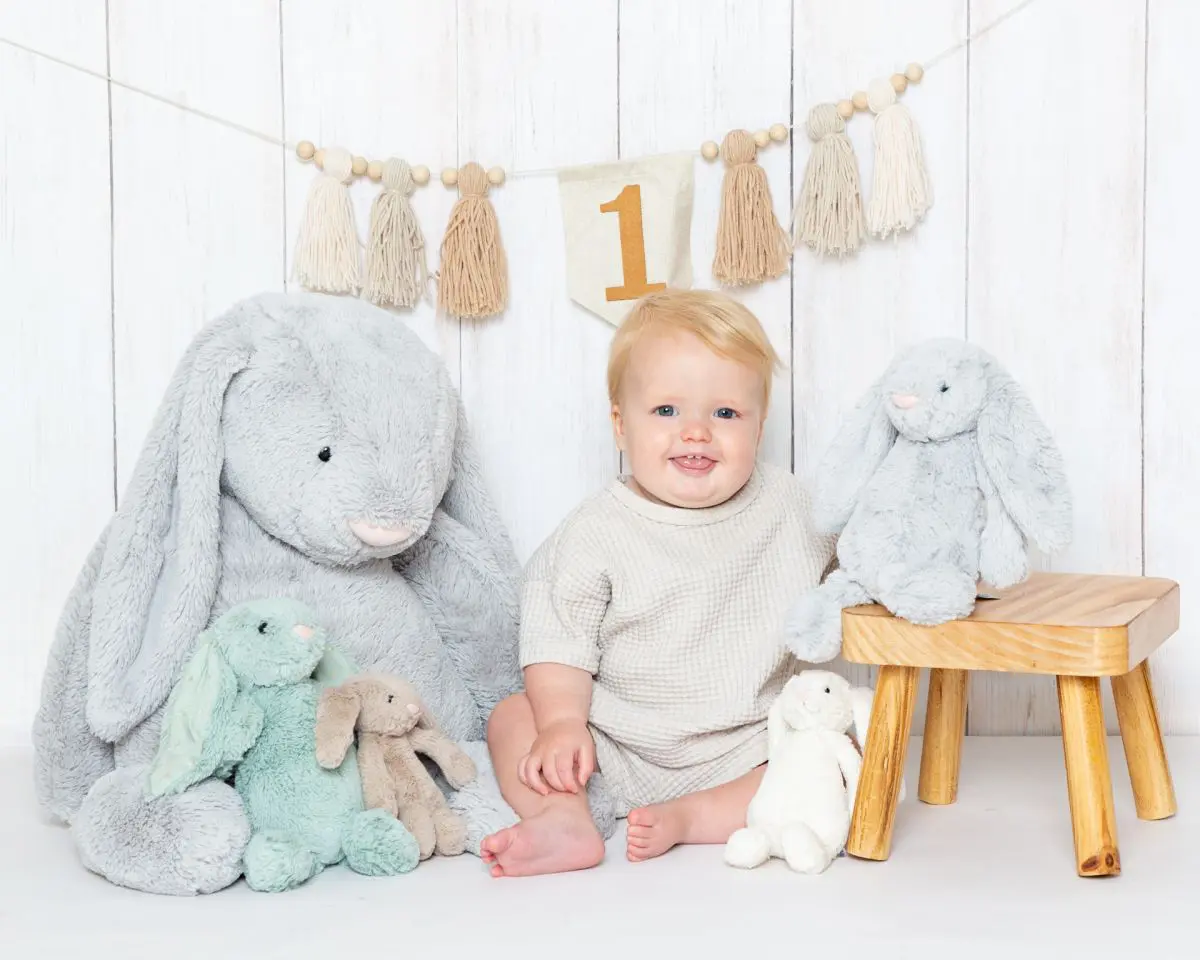
Early Preferences Become Visible
Very young babies may already show clear likes and dislikes. Some enjoy lively movement and noise, while others prefer calm environments. Certain toys capture attention immediately, while others are ignored. Feeding, sleep and soothing patterns may also vary. These preferences reflect both temperament and early experience.

Emotional Reactions Differ
Babies vary widely in how they respond emotionally. One baby may laugh easily and frequently, while another smiles gently but watches carefully before reacting. Some babies become distressed quickly when tired or overwhelmed, while others remain calm longer. These differences do not indicate problems. They reflect natural variation in sensitivity and emotional style.
Activity Levels Become Clear
As physical control improves, activity level often becomes more noticeable. Highly active babies may kick constantly, roll early and seek movement. Less active babies may prefer observing, exploring with their eyes and conserving energy. Both patterns can support healthy development.
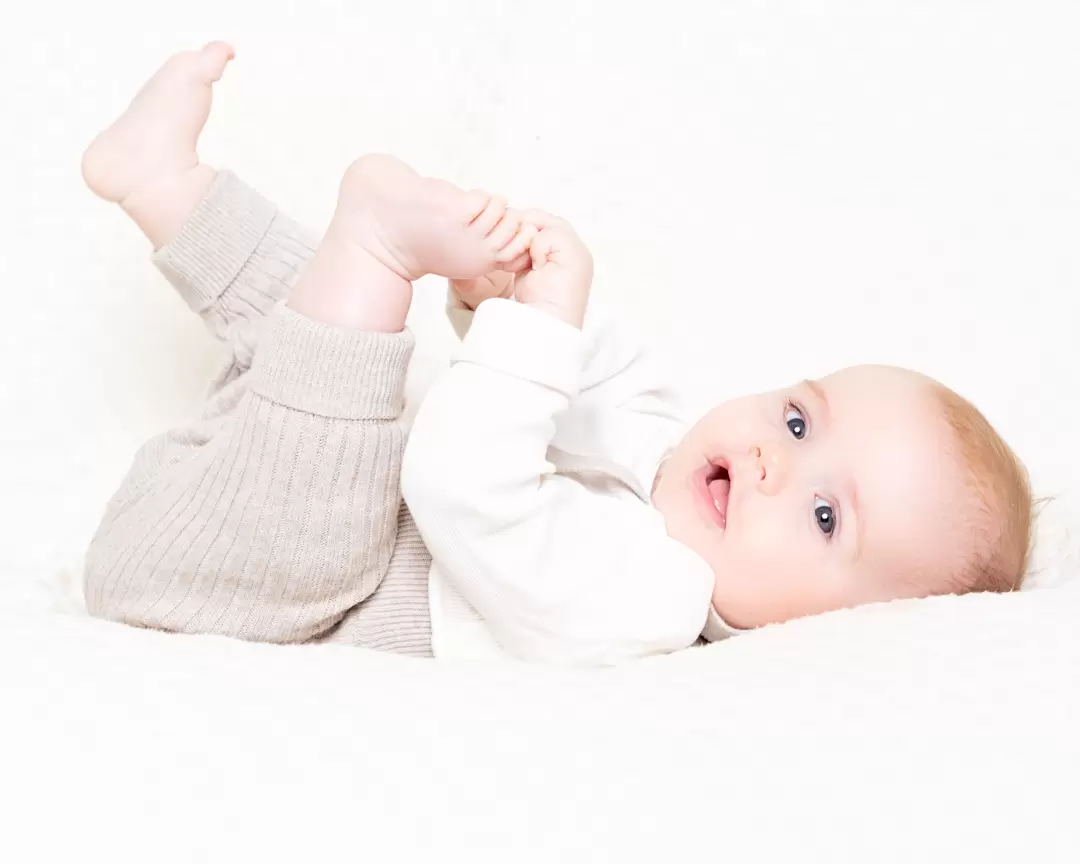
Social Style Emerges
Babies also differ in how they approach social interaction. Some seek eye contact, vocalise frequently and engage readily with new people. Others need time to feel comfortable and may cling to familiar caregivers before exploring. This “slow-to-warm” pattern is a recognised temperament style, not shyness or insecurity.
Celebrate Individual Differences
It can be tempting to compare babies, especially with friends’ children or siblings. Remember that development is not a competition. Understanding your baby’s unique style helps you respond in ways that support their needs and strengthen your bond.
Small Moments Reveal Big Traits
Personality often appears in everyday interactions:
• how your baby greets you
• what makes them laugh
• how they react to change
• how they seek comfort
• how they explore new experiences
These small signals build a picture of who your baby is becoming.