
Play is one of the most important ways babies learn about the world. Through play, they develop physical skills, explore new sensations and build emotional bonds with caregivers.
But because babies cannot tell us how they feel, many parents wonder whether their baby is actually enjoying an activity. Fortunately, babies give plenty of clues when they are engaged and content.
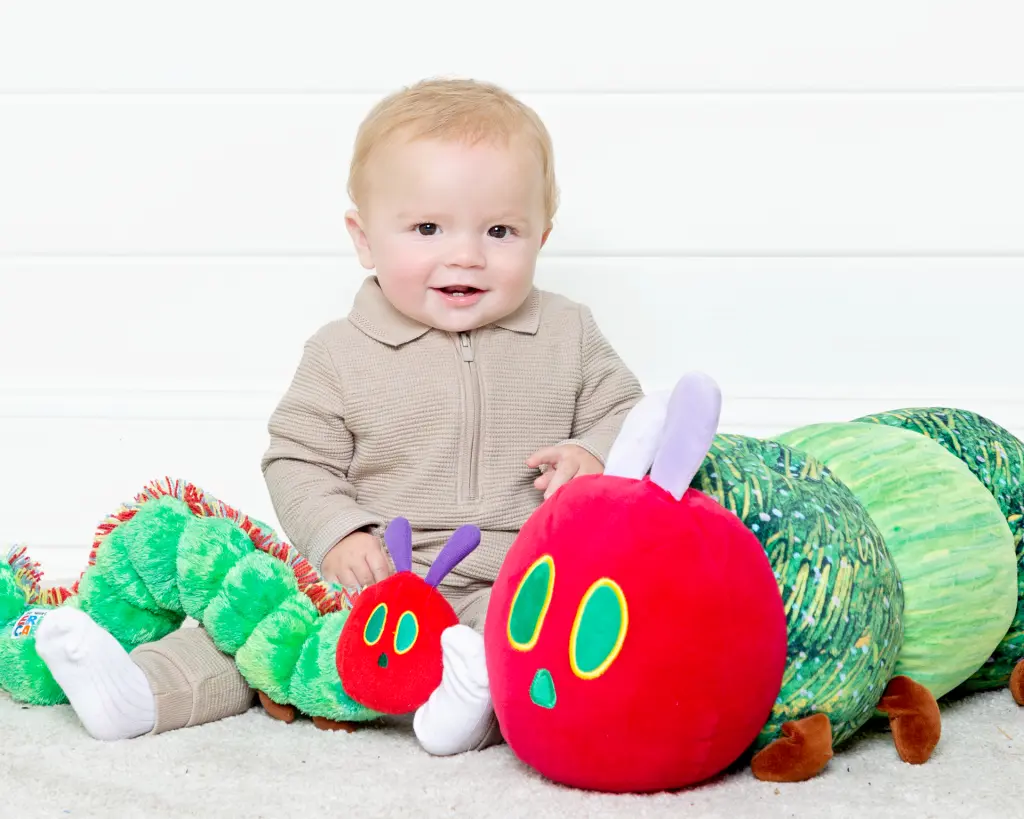
Bright Eyes and Focused Attention
One of the clearest signs of enjoyment is alertness. A baby who is interested in play often watches closely, follows movement with their eyes and appears focused on what is happening. This attentive state shows curiosity and engagement.
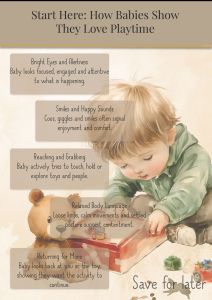
Smiles and Happy Sounds
Positive vocalisations are strong indicators of pleasure. Coos, squeals, giggles and soft babbling often occur when babies feel safe and entertained. Smiling during play is another clear sign that the interaction is enjoyable.
Reaching and Active Participation
Babies who enjoy play tend to participate actively. They may reach toward toys, grab objects, kick their legs or wave their arms. This physical involvement shows they want to explore and interact rather than withdraw.
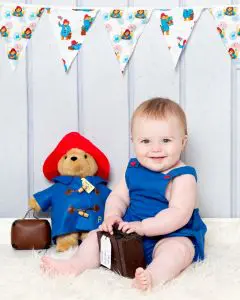
Exploration is not simply play. It is one of the main ways babies build important developmental skills.
Watching, listening and touching all contribute to:
• sensory development
• early problem solving
• coordination and movement
• language and communication skills
Relaxed Body Language
Comfort is essential for enjoyment. A content baby typically has a relaxed body, smooth movements and an open posture. Hands may be unclenched, limbs loose and breathing calm. Tension, arching or rigid movements can signal overstimulation or discomfort instead.
Looking Back for More Interaction
Many babies seek continuation when they are enjoying themselves. They may look back at you after a pause, vocalise to regain attention or reach toward the toy again. This “return bid” shows they want the activity to continue.
Every Baby Shows Enjoyment Differently
Some babies are expressive and giggly, while others are quieter but deeply attentive. Personality plays a significant role in how enjoyment appears. A calm baby who watches intently can be just as engaged as a baby who squeals with excitement.
Watch for Signs of Overstimulation Too
Even enjoyable play can become tiring. If your baby turns away, fusses, stiffens or loses interest, they may need a break. Following your baby’s cues helps keep play positive rather than overwhelming.
Play Is About Connection, Not Performance
You do not need elaborate toys or structured activities for your baby to enjoy play. Your face, voice, touch and responsiveness are the most powerful tools for creating joyful interaction.