
During the first year, babies are working incredibly hard to understand how communication works. Long before they can speak, they study faces closely – especially mouths – to learn how sounds are formed and how people interact.
If your baby seems fascinated by your lips while you talk, they are not being odd or distracted. They are learning one of the most important skills of their life.
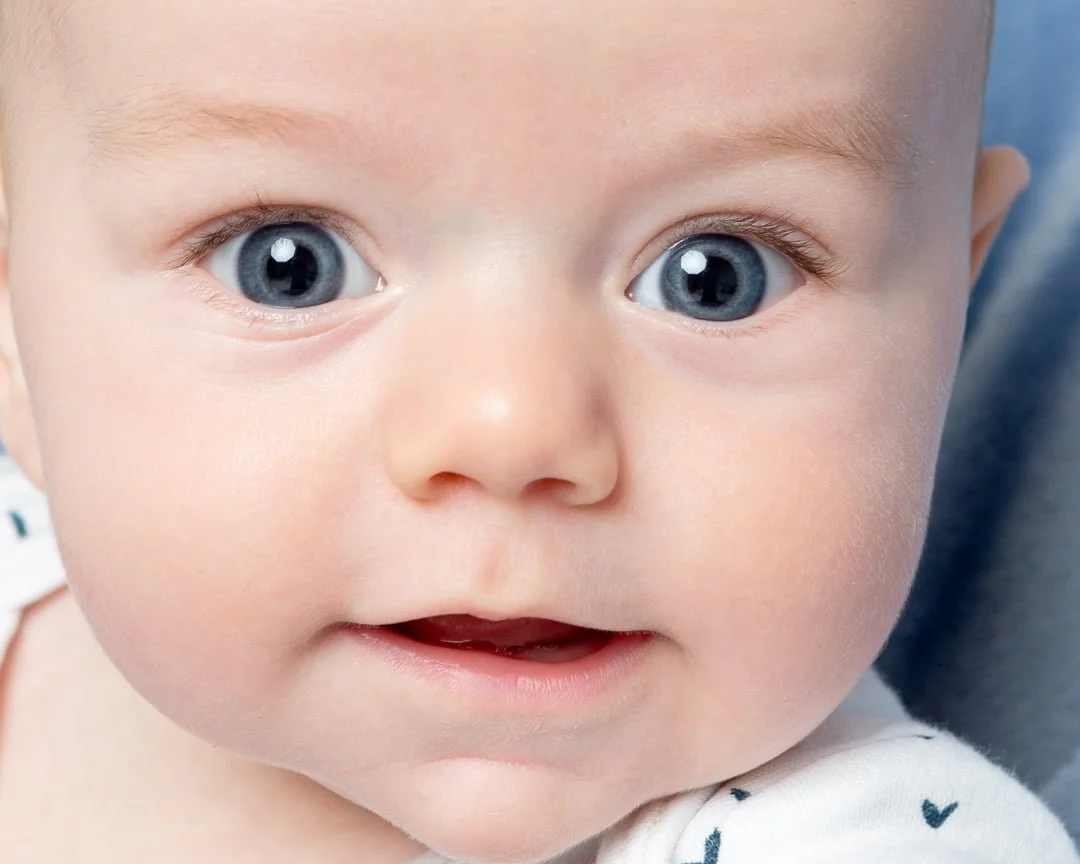
Watching how sounds are made
Babies gradually realise that speech is not random noise. It comes from movements of the mouth, tongue and jaw.
By watching your mouth, they can see:
• how lips open and close
• how shapes change for different sounds
• when speech starts and stops
• how facial expressions match tone
This visual information helps them connect sounds with physical movements, laying the groundwork for their own speech later on.
Supporting early language development
Even before babbling begins, babies are storing patterns of speech. Watching faces helps them:
• recognise familiar words
• distinguish between sounds
• learn rhythm and tone
• anticipate responses in conversation
You may notice your baby becoming especially attentive when you exaggerate sounds or speak slowly. That is because clearer movements are easier to study.
Social connection matters too
Watching your mouth is not just about language. It is also about bonding.
Babies learn that talking involves interaction. When you smile, pause or respond to their noises, they begin to understand the back-and-forth nature of communication.
Eye contact combined with mouth movement is especially powerful. It reassures babies that they are being seen and heard.
How to support this stage
You do not need special techniques. Simple everyday interaction is perfect. Try:
• talking face to face at close range
• exaggerating expressions occasionally
• narrating what you are doing
• singing songs and nursery rhymes
• responding to your baby’s sounds
These moments feel ordinary but are doing extraordinary developmental work.
A tiny step toward first words
Watching your mouth is one of the earliest signs that language learning is underway. Months later, those observations turn into babbling, imitation and eventually real words. So if your baby stares intently at your lips while you chat, smile. You are witnessing the foundations of communication being built in real time.