
Everything about the world is new when you’ve just arrived in it. The light, the sounds, the feeling of air on skin. For a newborn, every single sensation is brand new, and there is no way yet to filter any of it out. Understanding what your baby is actually experiencing in those early weeks can make a lot of their behaviour make much more sense.
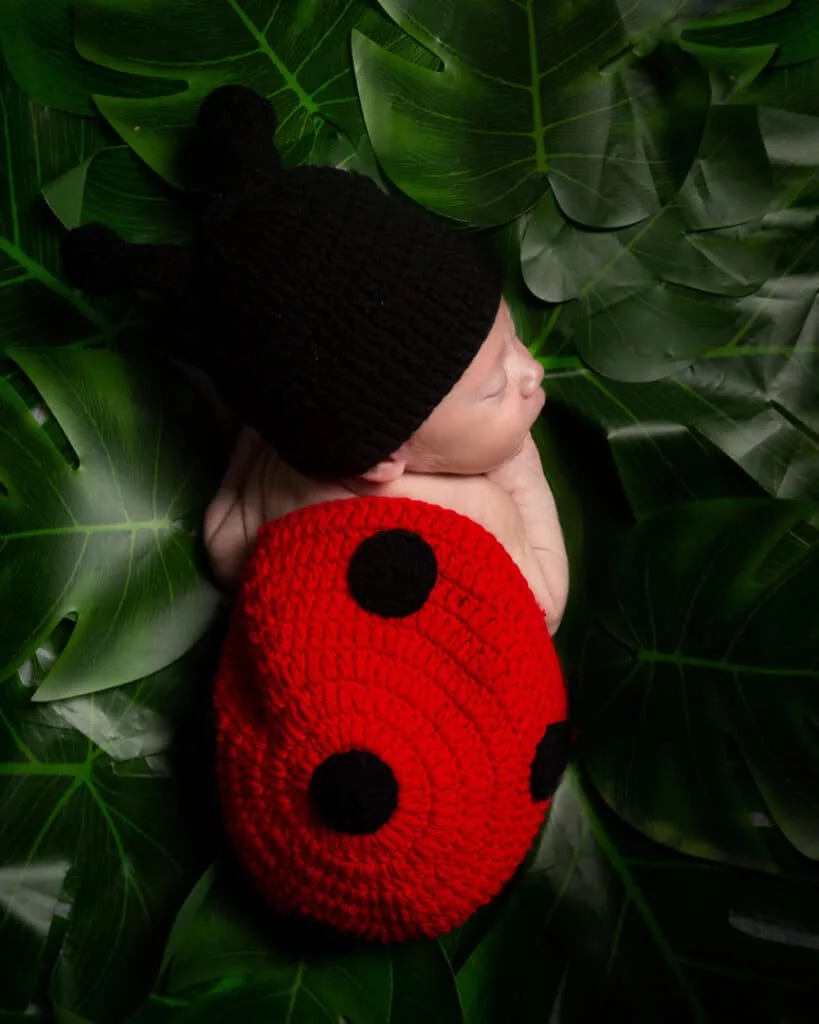
Sight: gentle beginnings
Newborns can only see clearly at a distance of around 20 to 30cm. Beyond that, everything is soft and blurry. It is not a coincidence that this is roughly the distance between your face and your baby’s when you are holding or feeding them. Faces are exactly what newborns are drawn to most, along with high contrast shapes where light meets dark. Bright colours and detailed patterns don’t register yet. Simple and close is what works.
Sound: familiar voices
Your baby has been listening to your voice for months before they were born. It travelled through amniotic fluid, muffled and low, but unmistakably yours. From the moment they arrive, familiar voices are genuinely comforting. Sudden loud noises will startle them, as they have no way yet to anticipate sound or prepare for it. Gentle speech, humming, or simply narrating what you are doing all help your baby feel safe. You don’t need to perform or use a particular tone. Your everyday voice is enough.
Touch: their first language
Touch is the earliest sense to develop. Your baby was experiencing it in the womb long before they could see or hear anything outside. Being held, cuddled, and wrapped closely gives comfort in a very direct way. It also helps your baby begin to understand where their own body ends and the world begins, which is something they are genuinely still working out. Skin to skin contact in the early days and weeks has a settling effect that goes beyond warmth alone.
Smell: comfort in scent
Your natural scent is one of the most powerful things your baby can recognise. Research has shown that newborns can distinguish their mother’s scent from others within just a few days of birth. It helps them feel safe, find comfort, and settle more easily. This is part of why placing a worn piece of clothing near a baby can sometimes help them settle when you are not right there.
Overstimulation: when the world gets too big
Newborns cannot filter sensory input the way older children and adults can. Light, noise, movement, and activity all hit at once, with no way to turn any of it down. When it becomes too much, your baby will tell you. Crying is the most obvious signal, but turning their head away, closing their eyes, going very still, or becoming suddenly fussy are all earlier signs that they need a quieter moment. Dimming the lights, reducing noise, and holding them close is usually all it takes to help them reset.
These early weeks are a lot for a tiny person to take in. The more you understand what your baby is experiencing, the easier it becomes to follow their lead.