
During the first year of life, babies learn about the world long before they can speak or move independently. Every day brings new discoveries as they begin to observe, listen, touch and interact with the people and objects around them.
Exploration during this stage is gentle and gradual. Small moments such as watching a face, reaching for a toy or listening to a familiar voice all help babies begin to understand how their world works.
These early experiences form the foundation for learning, movement and communication later on.
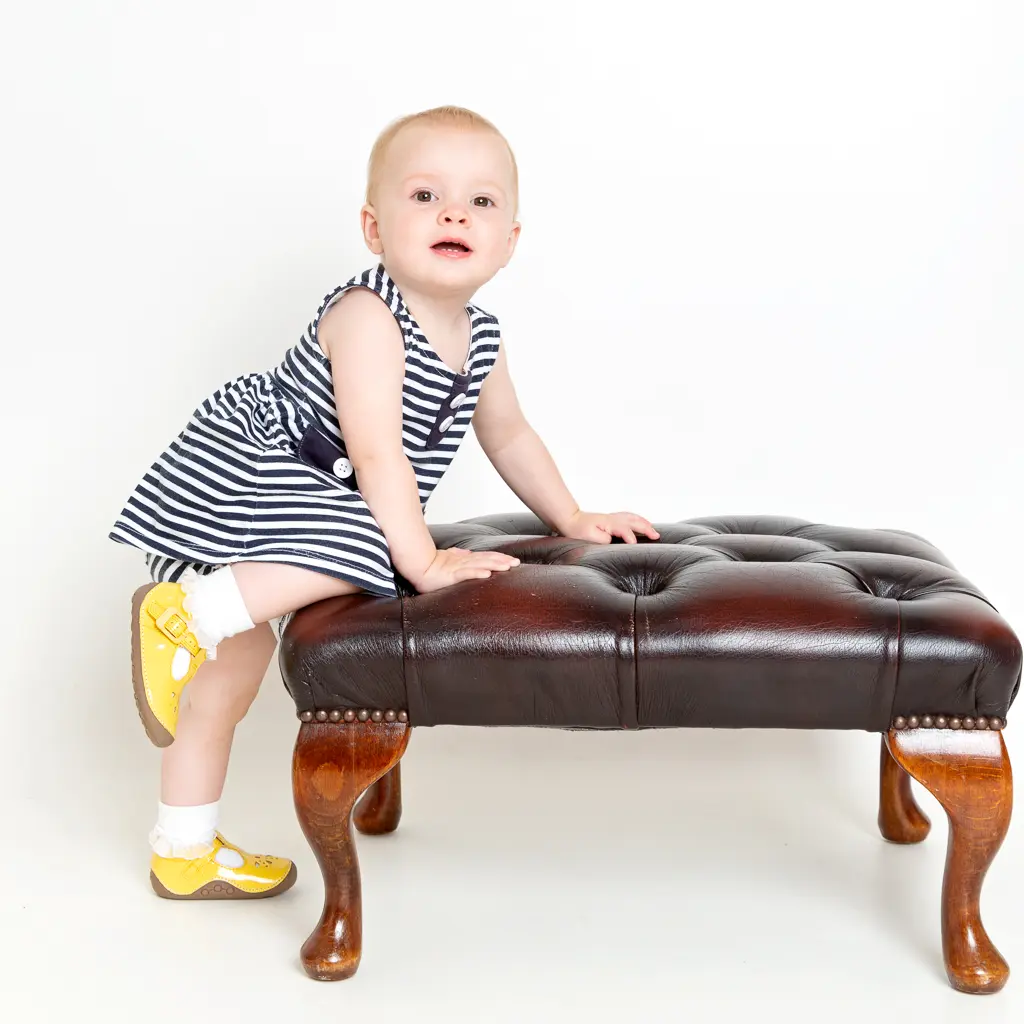
How babies learn through their senses
Babies experience the world primarily through their senses. Sight, sound, touch, taste and movement all play a role in how they begin to understand their surroundings.
In the early months, babies are constantly absorbing information. They watch faces closely, respond to sounds and begin to explore objects with their hands and mouths.
These sensory experiences help build connections in the brain and support the development of important skills such as coordination, attention and curiosity.

Watching people and movement
One of the first ways babies explore the world is by watching the people around them.
Babies are naturally drawn to faces and expressions. They often study parents and caregivers closely, observing movements, smiles and eye contact.
They also notice movement in their environment, such as:
• hands moving in front of them
• toys gently swaying
• light and shadow shifting across the room
Following movement with their eyes helps babies develop visual tracking and attention skills.
Listening to voices and sounds
Long before babies understand words, they begin recognising voices and sounds. Babies often respond to:
• familiar voices
• gentle music
• household sounds
• changes in tone or rhythm when someone speaks
Listening helps babies begin to understand patterns in language and communication. Talking, singing and responding to your baby’s sounds encourages early interaction and connection.
Touching and exploring objects
As babies gain more control over their hands, they begin reaching for objects and exploring different textures. Touch is one of the most powerful ways babies learn. They may explore objects by:
• grasping and holding toys
• feeling different textures
• bringing objects to their mouth
• dropping and picking up items repeatedly
These actions help babies develop coordination and understand cause and effect.
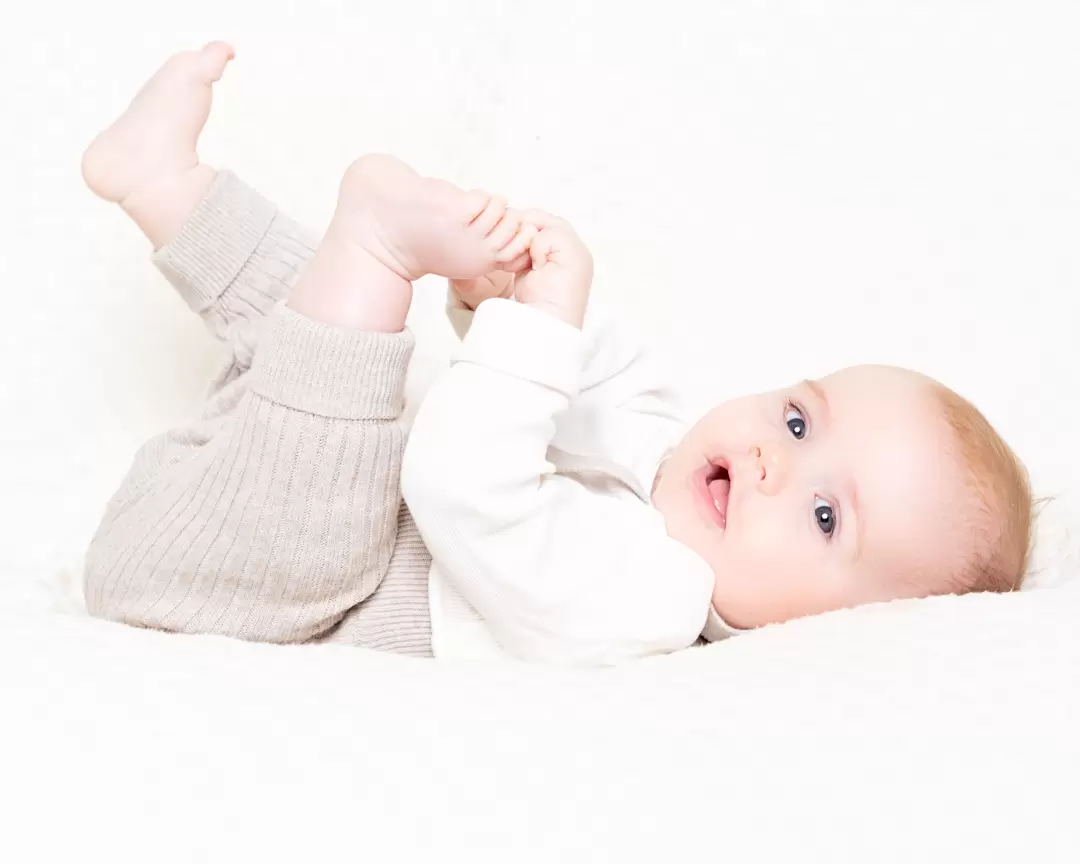
Exploration is not simply play. It is one of the main ways babies build important developmental skills.
Watching, listening and touching all contribute to:
• sensory development
• early problem solving
• coordination and movement
• language and communication skills
Simple opportunities to observe and explore help babies build confidence as they gradually learn more about their environment.
If you would like more ideas for encouraging gentle exploration, you may also find these articles helpful: