
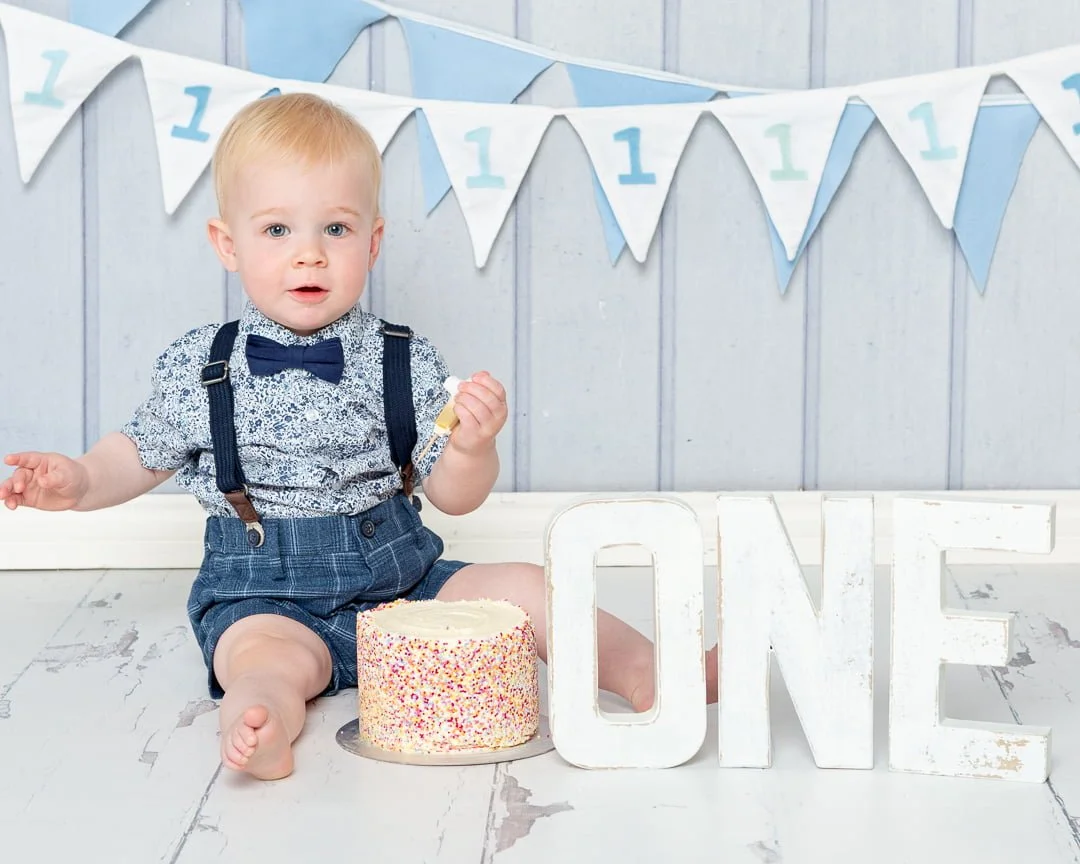
The first year of a baby’s life is a period of extraordinary change. In just twelve months, newborns transform from completely dependent infants into curious, active little people with emerging personalities.
Development happens across many areas at once, including physical movement, communication, emotional connection and understanding of the world.
Rapid Growth in the Early Months
In the beginning, babies are adjusting to life outside the womb. Their senses are developing, sleep patterns are unpredictable and feeding dominates daily life. Even so, important progress is happening behind the scenes. Babies begin recognising voices, focusing on faces and responding to touch and sound.
Small changes during these weeks lay the foundation for later skills.

Movement Develops Gradually
Physical development follows a predictable sequence, though the timing varies for each child. Babies typically move from lifting their head during tummy time to rolling, sitting, crawling and eventually pulling up to stand. Each stage builds strength, coordination and balance.
Opportunities for safe floor play help babies practise these skills naturally.
Communication Begins Long Before Words
Babies communicate from birth through crying, facial expressions and body language. By a few months old, many begin smiling socially and making cooing sounds. Later in the year, babbling becomes more complex and babies start responding to their name, gestures and tone of voice.
These early interactions form the foundation for language development.
Curiosity Drives Exploration
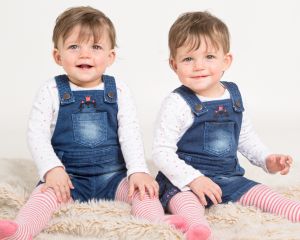
As hand control improves, babies begin reaching for objects and bringing them to their mouth. Mouthing is a key way babies explore texture, shape and taste. Once mobility develops, exploration expands rapidly. Crawling babies investigate everything within reach, learning through trial and error.
Safe environments allow curiosity to flourish.
Personality Starts to Shine
By the end of the first year, babies show clear preferences and individual traits. Some are cautious observers, while others dive enthusiastically into new experiences. Many display strong attachments to familiar caregivers and may show separation anxiety. Social behaviours such as waving, clapping or playing simple games often emerge during this stage.
Every Baby Develops at Their Own Pace
While developmental patterns are broadly predictable, the exact timing varies widely. Some babies crawl early and walk later, while others skip crawling altogether. Differences in temperament, environment and physical readiness all play a role. What matters most is steady progress over time rather than strict adherence to milestones.