
The first time your baby smiles at you, really smiles at you, it’s hard to describe what that feels like. After weeks of feeding, settling, and running on very little sleep, your baby looks up at your face and grins.
It’s one of those moments that makes everything feel worth it. But that smile is doing more than melting your heart. It’s telling you something important about where your baby is in their development and how much they already know about the world around them.
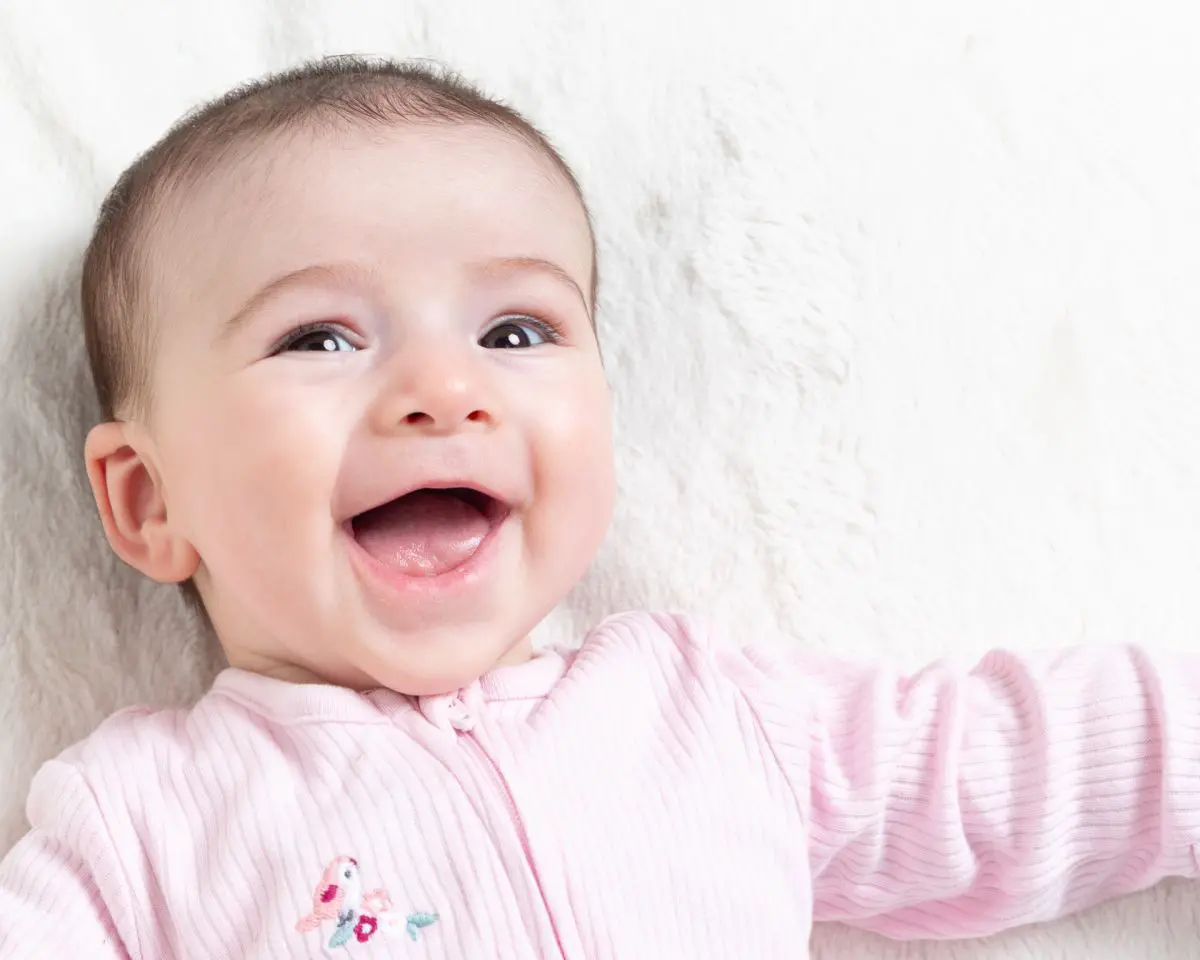
It’s a Sign of Recognition
By the time your baby starts smiling at familiar faces, they have been quietly studying you for weeks. They know the sound of your voice, the smell of you, and the shape of your face. That smile is recognition made visible. It’s your baby telling you, in the clearest way they can, that they know you and that you make them feel safe. For something that happens without a single word, it communicates an enormous amount.
It’s not a reflex. It’s your baby choosing you.

It Means Attachment Is Growing
Smiling at the people they know is one of the earliest signs that your baby is forming secure attachments. They are beginning to understand that certain people are their people, the ones who respond to them, who keep them comfortable, who show up consistently. That growing sense of security is what attachment is built on, and a smile at a familiar face is one of the first outward signs that it’s happening.
You’re building something that will last a lifetime, one small moment at a time.
Listening to voices and sounds
Long before babies understand words, they begin recognising voices and sounds. Babies often respond to:
• familiar voices
• gentle music
• household sounds
• changes in tone or rhythm when someone speaks
Listening helps babies begin to understand patterns in language and communication. Talking, singing and responding to your baby’s sounds encourages early interaction and connection.
Touching and exploring objects
As babies gain more control over their hands, they begin reaching for objects and exploring different textures. Touch is one of the most powerful ways babies learn. They may explore objects by:
• grasping and holding toys
• feeling different textures
• bringing objects to their mouth
• dropping and picking up items repeatedly
These actions help babies develop coordination and understand cause and effect.
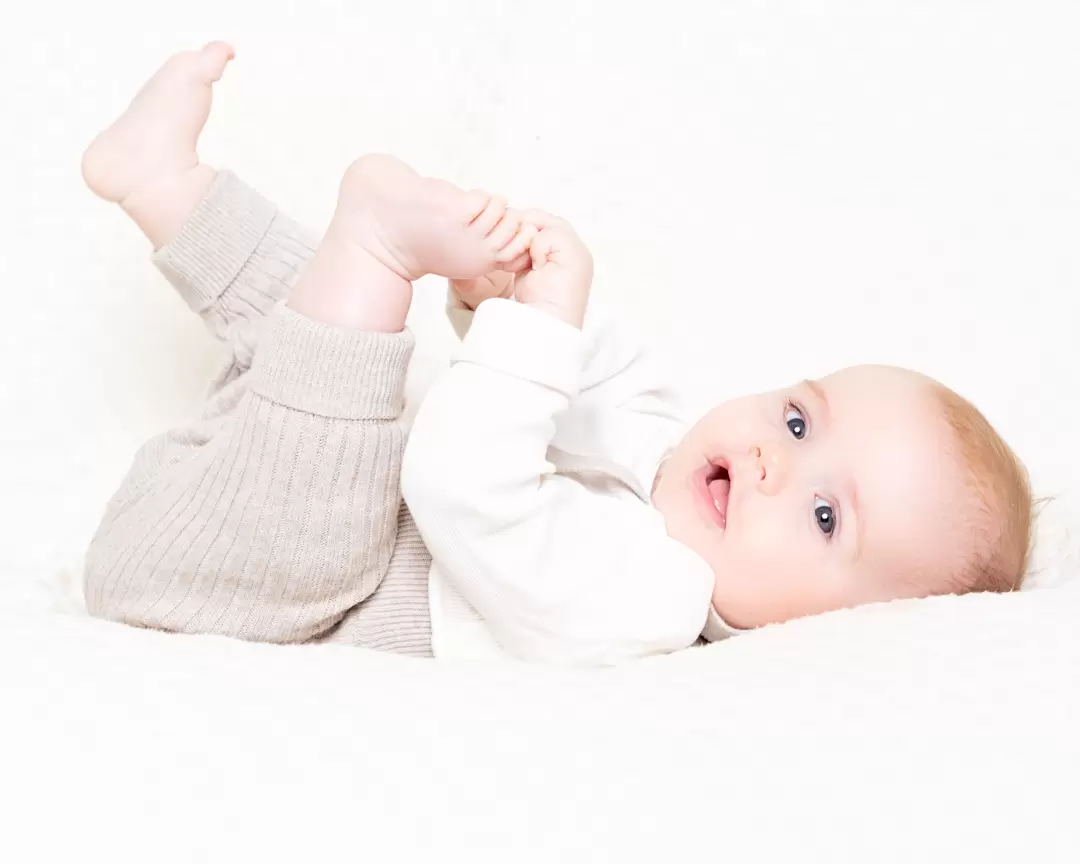
Exploration is not simply play. It is one of the main ways babies build important developmental skills.
Watching, listening and touching all contribute to:
• sensory development
• early problem solving
• coordination and movement
• language and communication skills
Simple opportunities to observe and explore help babies build confidence as they gradually learn more about their environment.
If you would like more ideas for encouraging gentle exploration, you may also find these articles helpful: